Raila Odingas Body Arrives in Kenya Amid National Mourning
UncategorizedOctober 16, 2025·By Oga Obinna

Raila Odingas Body Arrives in Kenya Amid National Mourning

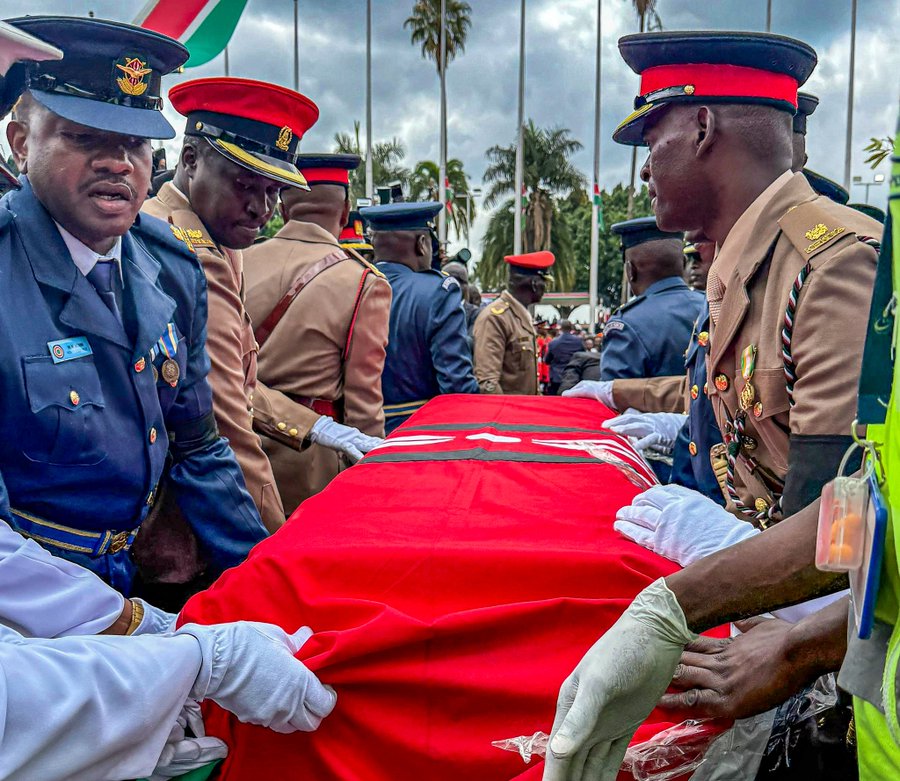
Kenya bid a somber welcome to the body of former Prime Minister Raila Odinga, who died unexpectedly yesterday in India at age 80. The Kenya Airways flight carrying his remains touched down at Jomo Kenyatta International Airport (JKIA) around 9:30 a.m., greeted by thousands of mourners in a scene blending grief and reverence. Delegation members, including family and dignitaries, disembarked first, followed by the casket draped in the Kenyan flag, marking the end of an era for the man dubbed “Baba wa Taifa” (Father of the Nation). Chaos briefly ensued at the airport as supporters surged forward, chanting Raila’s signature slogans and waving ODM colors, a testament to his enduring popularity. Security forces managed the crowd as the procession moved to Lee Funeral Home for preparation. Public viewing is scheduled for Friday at Parliament Buildings from noon to 5 p.m., allowing Kenyans to pay respects to the five-time presidential aspirant who shaped the country’s multiparty democracy. Raila, who was in India with daughter Winnie and sister Ruth for medical consultations, passed away from complications related to a long-standing ailment. President William Ruto declared a seven-day mourning period, with a state funeral set for Sunday at Raila’s rural home in Bondo, Siaya County. The event will honor his roles as Prime Minister (2008-2013) and African Union envoy, drawing regional leaders. As his body returns home, Raila’s journey from Kisumu’s shores to global stages closes, leaving a void filled with tributes to his fight for justice and unity.

Kenya bid a somber welcome to the body of former Prime Minister Raila Odinga, who died unexpectedly yesterday in India at age 80. The Kenya Airways flight carrying his remains touched down at Jomo Kenyatta International Airport (JKIA) around 9:30 a.m., greeted by thousands of mourners in a scene blending grief and reverence. Delegation members, including family and dignitaries, disembarked first, followed by the casket draped in the Kenyan flag, marking the end of an era for the man dubbed “Baba wa Taifa” (Father of the Nation). Chaos briefly ensued at the airport as supporters surged forward, chanting Raila’s signature slogans and waving ODM colors, a testament to his enduring popularity. Security forces managed the crowd as the procession moved to Lee Funeral Home for preparation. Public viewing is scheduled for Friday at Parliament Buildings from noon to 5 p.m., allowing Kenyans to pay respects to the five-time presidential aspirant who shaped the country’s multiparty democracy. Raila, who was in India with daughter Winnie and sister Ruth for medical consultations, passed away from complications related to a long-standing ailment. President William Ruto declared a seven-day mourning period, with a state funeral set for Sunday at Raila’s rural home in Bondo, Siaya County. The event will honor his roles as Prime Minister (2008-2013) and African Union envoy, drawing regional leaders. As his body returns home, Raila’s journey from Kisumu’s shores to global stages closes, leaving a void filled with tributes to his fight for justice and unity.

Share this article

Related Articles

Harrison Mumia’s Bold Take on Faith, Freedom, and Reality
Uncategorized

Harrison Mumia’s Bold Take on Faith, Freedom, and Reality

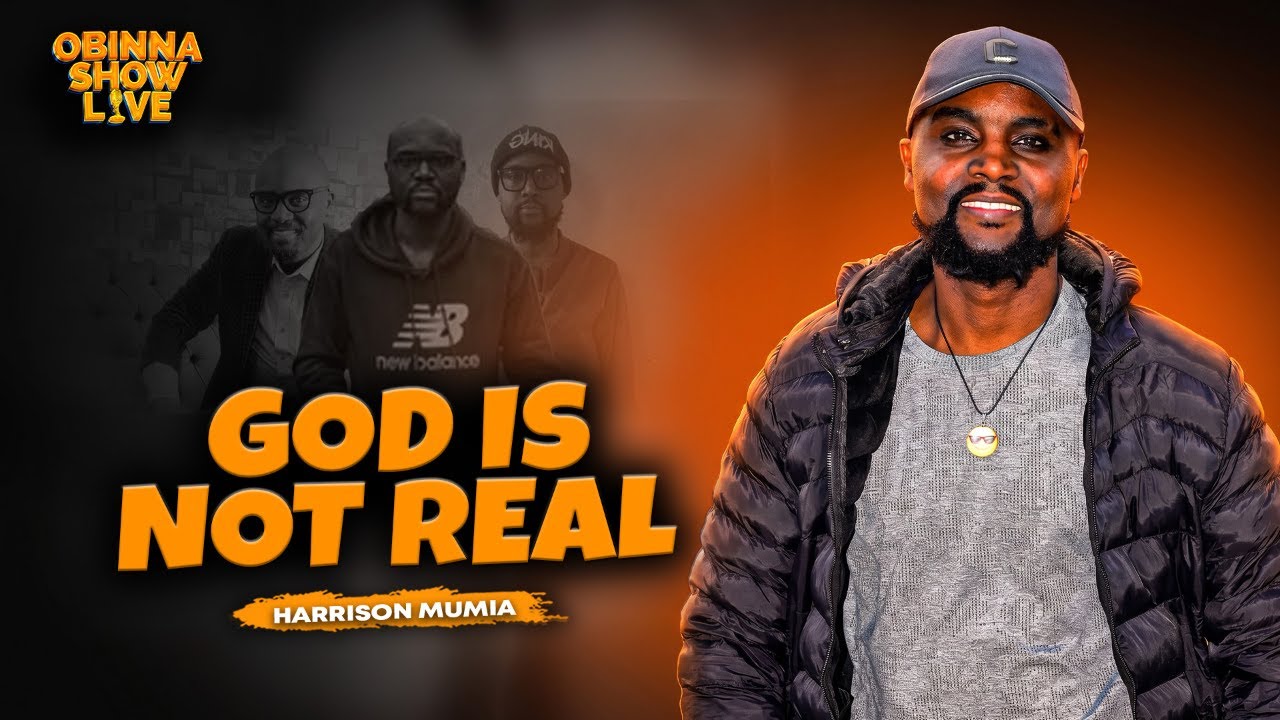
In a country where religion shapes everything from politics to daily greetings, one man walked into Obinna Show Live and dropped truth bombs that had everyone glued to their screens. Harrison Mumia, President of the Atheists in Kenya Society, didn’t just share his views – he dismantled assumptions with calm confidence, leaving viewers questioning long-held beliefs. Mumia, a vocal advocate for freedom of belief, openly declared: there is no God. He explained his journey into atheism, rooted in critical thinking, evidence, and a rejection of supernatural claims. Far from being a rebel without a cause, he painted atheism as a call for human responsibility. “Morality doesn’t need divine threats,” he essentially argued. We create meaning, build ethics, and drive progress through reason, not prayer alone. The interview dove deep into hot topics: the role of religion in Kenyan society, the power (or illusion) of prayer, and why atheist organizations like his are vital in a democracy. Mumia highlighted religious privilege that often overshadows secular voices, while praising Kenya’s democratic space that allows such open dialogue. He faced public criticism but stood firm, emphasizing education and respectful conversation over confrontation. What made the conversation electric wasn’t anger – it was intellectual honesty. Mumia didn’t mock faith; he challenged it thoughtfully, inviting viewers to examine their worldview. In a nation where “God is great” is a reflex, his calm dismantling of supernatural explanations felt revolutionary. Whether you’re a believer, skeptic, or somewhere in between, this interview is a wake-up call. In an era of blind adherence, voices like Harrison Mumia remind us that questioning is the ultimate act of courage. True freedom includes the right to believe – or not believe. Watch the full episode and decide for yourself.