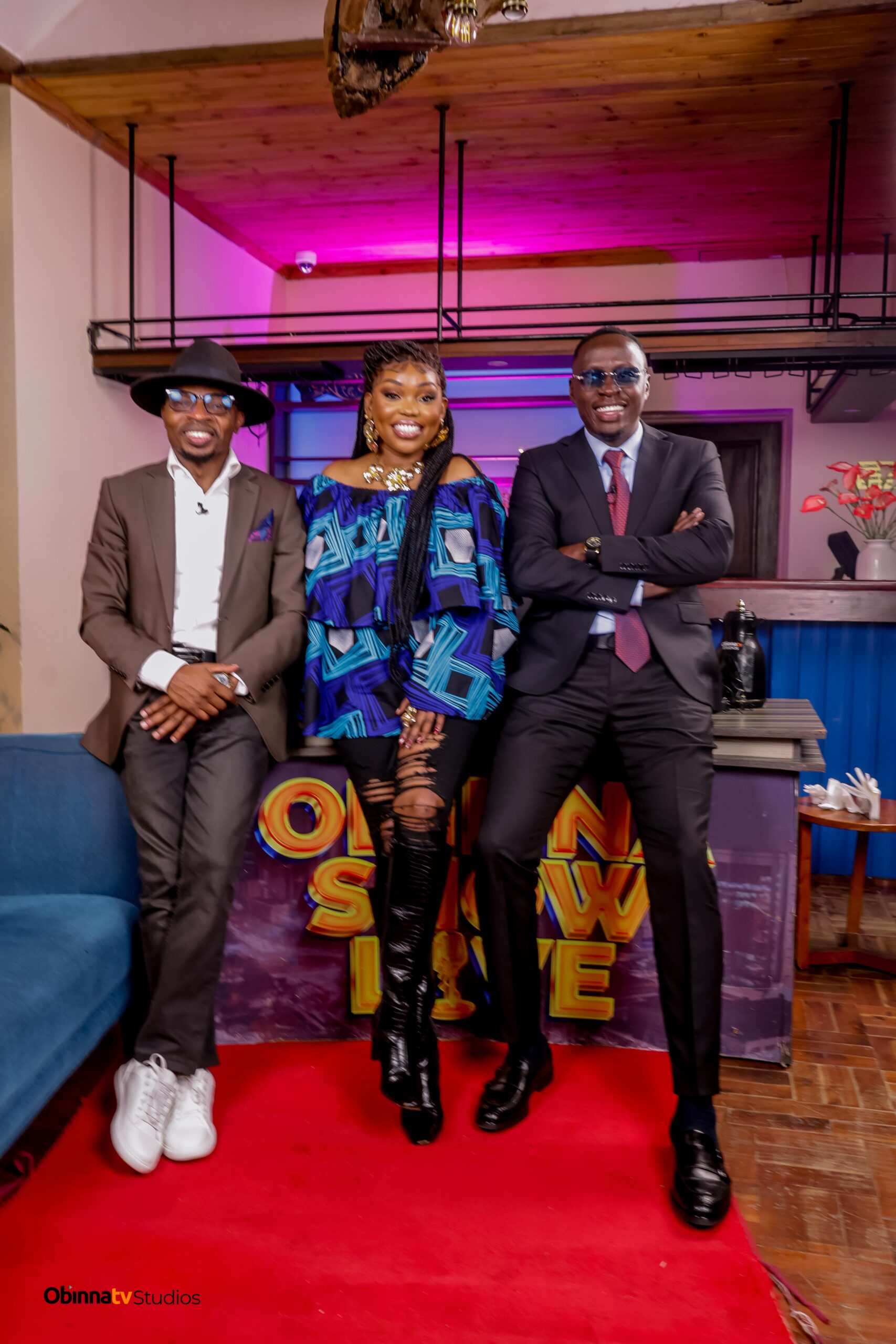
Fridah and Lofty on Obinna Show Live
UncategorizedFebruary 23, 2026·By Oga Obinna

Fridah and Lofty on Obinna Show Live

The dynamic duo of Fridah Mwaka and Lofty Matambo, affectionately known as “Mtu na Pacha Wake,” lit up the screens on Obinna Show Live with their signature blend of pomp, glamour, and infectious laughter.

The dynamic duo of [Fridah Mwaka and Lofty Matambo, affectionately known as “Mtu na Pacha Wake](https://www.youtube.com/watch?v=EDgLHi48P2U "Fridah Mwaka and Lofty Matambo, affectionately known as \"Mtu na Pacha Wake"),” lit up the screens on Obinna Show Live with their signature blend of pomp, glamour, and infectious laughter. Fridah, born in Machakos but raised along the Coast in a devout Christian family as an only child, shared heartfelt reflections on her upbringing. Lofty, a proud son of Kilifi County, complemented her story with his own roots in the coastal region. Though they have collaborated closely for five years, their individual media journeys are impressive. In 2026, Fridah celebrates a decade in the industry, while Lofty marks an impressive 17 years. Both express deep pride in their paths. Lofty revealed his unconventional start: trained in medicine, he transitioned to media through a divine encounter with veteran broadcaster Anthony Ndiema, who saw his potential and believed in him. Fridah’s passion for journalism sparked early, leading her to study at Daystar University. Her breakthrough came via a godly connection – singer Kambua noted her voice resembled Kanze Dena’s and helped her join Kubamba Radio. Persistent and faith-driven, she moved to TV at KTN before being recruited by NTV. The pair emphasized mentorship’s value in media, stressing hard work, discipline, and a constant zeal to learn as keys to thriving. Addressing common controversies—like assumptions that media personalities are never single or date politicians – they advocated for personal principles and self-respect. Fridah candidly shared experiences of being offered cars, houses, and property as temptations in the industry. Their catchy on-air intros? A collaborative brainstorming effort that keeps things fresh. They described hosting the first-ever global tourism conference expo as an experience of pure God’s favor. Beyond the studio, Fridah serves as a foster mum – a divine calling after a family friend’s passing – and is the CEO of House of Kichuna, her fashion brand. She proudly revealed that everything the duo wears on air is a House of Kichuna creation, blending style with their professional flair. Fridah and Lofty’s story inspires: faith, perseverance, and authenticity pave the way in media and life. Play WE ARE LIKE TWINS – Fridah & Lofty

Share this article

Related Articles

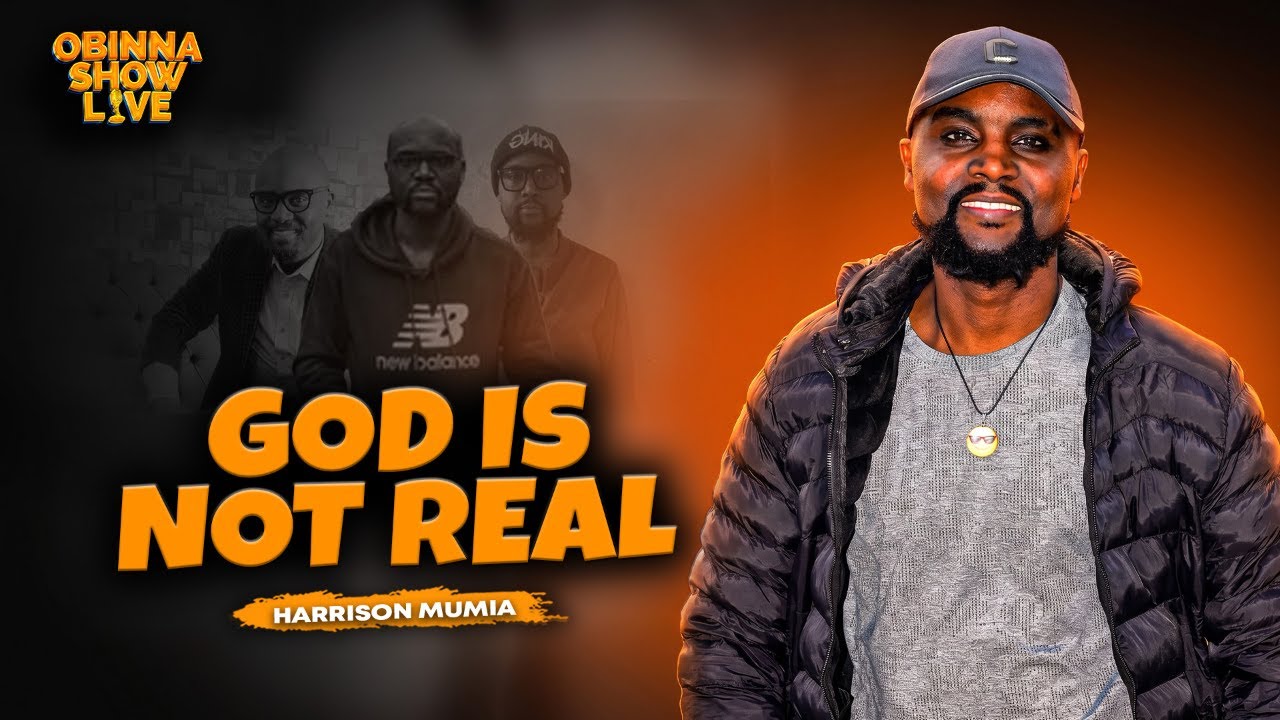
Harrison Mumia’s Bold Take on Faith, Freedom, and Reality
Uncategorized

Harrison Mumia’s Bold Take on Faith, Freedom, and Reality

In a country where religion shapes everything from politics to daily greetings, one man walked into Obinna Show Live and dropped truth bombs that had everyone glued to their screens. Harrison Mumia, President of the Atheists in Kenya Society, didn’t just share his views – he dismantled assumptions with calm confidence, leaving viewers questioning long-held beliefs. Mumia, a vocal advocate for freedom of belief, openly declared: there is no God. He explained his journey into atheism, rooted in critical thinking, evidence, and a rejection of supernatural claims. Far from being a rebel without a cause, he painted atheism as a call for human responsibility. “Morality doesn’t need divine threats,” he essentially argued. We create meaning, build ethics, and drive progress through reason, not prayer alone. The interview dove deep into hot topics: the role of religion in Kenyan society, the power (or illusion) of prayer, and why atheist organizations like his are vital in a democracy. Mumia highlighted religious privilege that often overshadows secular voices, while praising Kenya’s democratic space that allows such open dialogue. He faced public criticism but stood firm, emphasizing education and respectful conversation over confrontation. What made the conversation electric wasn’t anger – it was intellectual honesty. Mumia didn’t mock faith; he challenged it thoughtfully, inviting viewers to examine their worldview. In a nation where “God is great” is a reflex, his calm dismantling of supernatural explanations felt revolutionary. Whether you’re a believer, skeptic, or somewhere in between, this interview is a wake-up call. In an era of blind adherence, voices like Harrison Mumia remind us that questioning is the ultimate act of courage. True freedom includes the right to believe – or not believe. Watch the full episode and decide for yourself.